

MY PHILOSOPHY
MY PHILOSOPHY
The way I understand grief—and why I believe so many women are carrying far more than they were ever meant to carry alone.
GRIEF IS SACRED & NECESSARY
You're Not Broken.
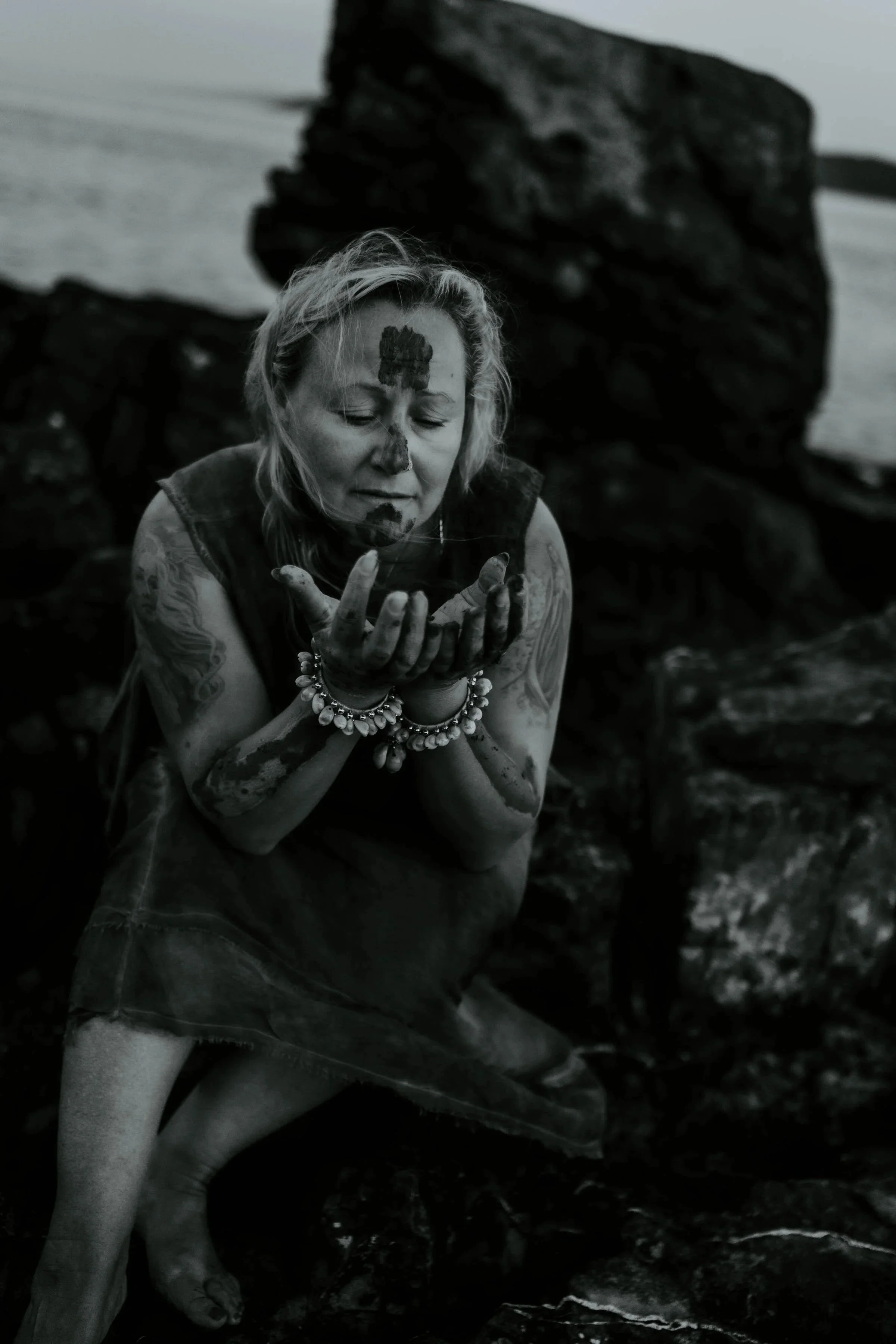
We live in a culture that has largely forgotten how to recognize, honor, and make space for grief. As a result, many women come to believe there is something wrong with them when their grief remains long after the world expects it to soften.
I believe the problem is not the grief itself. The problem is that most of us have never been shown how to live with grief in ways that are relational, embodied, and deeply supported.
We live in a culture shaped by patriarchy and capitalism, organized around productivity, speed, youth, and constant forward motion.
Youth is idealized because it represents growth, expansion, and possibility. Aging, loss, and decline disrupt that narrative because they remind us that life is finite, that control is an illusion, and that love carries risk. So rather than building collective capacity for grief, we have built distance from it.
In this culture, loss is acknowledged briefly and then life is expected to resume at full capacity. Mourning is compressed into something “tolerable”, and composure is rewarded. We are praised for being strong, resilient, and “doing well.” Prolonged sorrow unsettles the demand for efficiency and the quiet agreement that everything is “fine.”
Grief, however, is not tidy — and we are not fine! Grief is primal and destabilizing. It slows us down. It asks for time. It asks for presence. And it asks for others who can remain steady while we are undone. That is precisely what our culture struggles to provide.
This is how our sorrow becomes unrecognized and unrequited.
Some losses are never fully recognized — the loss of a dear friend, the loss of youth, the loss of a dream, the loss of a version of yourself. Other losses are acknowledged and then quietly minimized once the initial moment has passed. The message, subtle but powerful, is that you should be returning to normal by now.
Unrequited sorrow is grief that is felt deeply but not deeply received. It is love that is no longer mirrored. It is pain that meets discomfort instead of steadiness. It is grief that reaches outward and finds no one able to stay with it long enough for it to move and integrate.
This is how our sorrow becomes unrecognized and unrequited.
Some losses are never fully recognized — the loss of a dear friend, the loss of youth, the loss of a dream, the loss of a version of yourself. Other losses are acknowledged and then quietly minimized once the initial moment has passed. The message, subtle but powerful, is that you should be returning to normal by now.
Unrequited sorrow is grief that is felt deeply but not deeply received. It is love that is no longer mirrored. It is pain that meets discomfort instead of steadiness. It is grief that reaches outward and finds no one able to stay with it long enough for it to move.
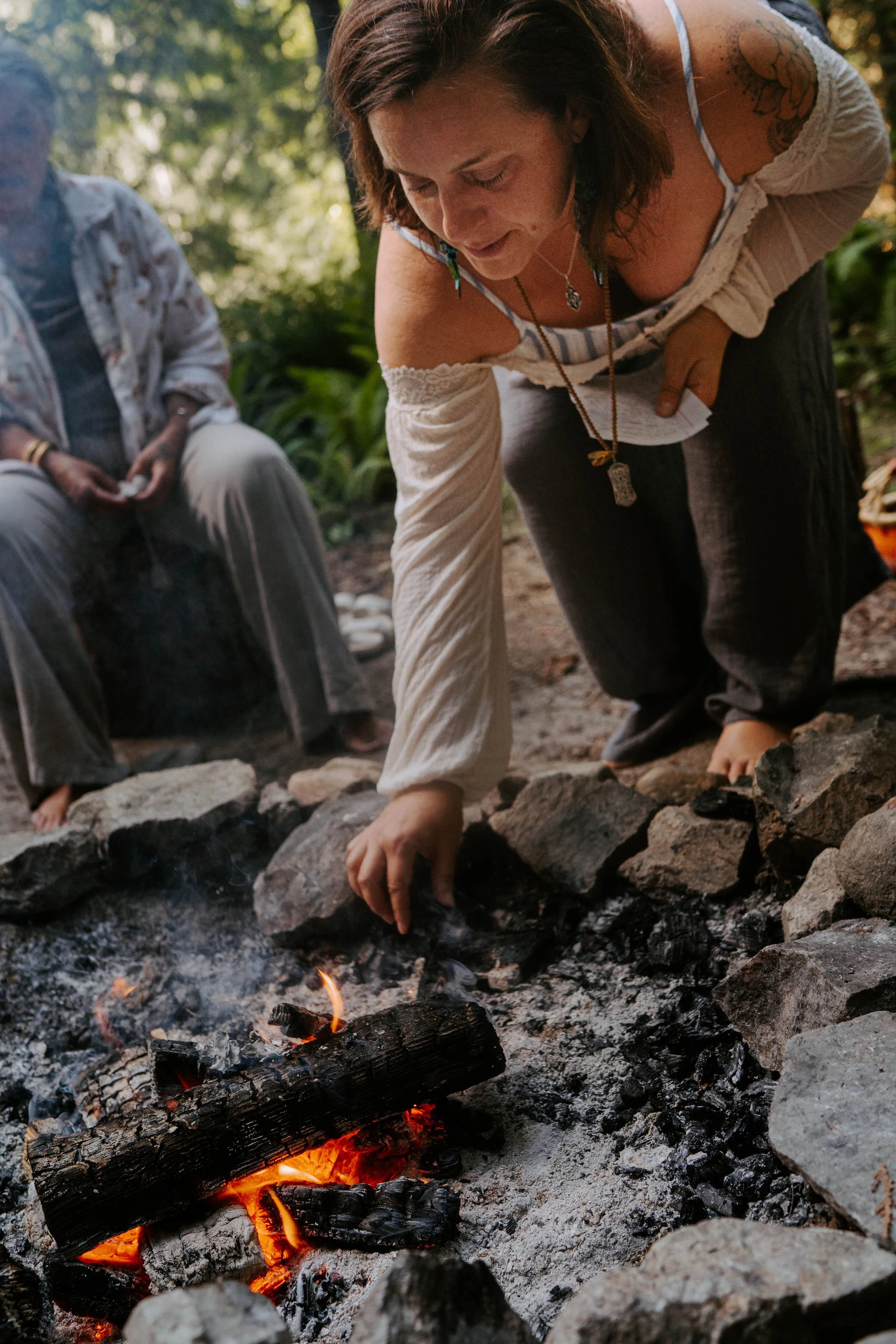
The Cost Of Untended Grief
When grief is repeatedly met with discomfort, minimization, or subtle pathologizing, it does not disappear. It adapts. It becomes something you manage rather than something you are allowed to feel fully. You think about it, analyze it, try to understand it, regulate it. You may even become articulate about it.
But grief is not only emotional or cognitive. It is embodied and relational. It is cyclical and lifelong. It is sacred and necessary. Insight can help you make sense of your experience, but insight alone does not metabolize sorrow. Talking about grief is not the same as having it deeply witnessed. Understanding grief is not the same as having it safely move through the body. Coping with grief is not the same as tending to it.
When grief is managed rather than deeply honoured, it settles into the nervous system. It can show up as heaviness, numbness, over-functioning, withdrawal, or exhaustion. These are not signs that you are broken. They are signs that your grief has not been met with the time, space, attunement, and honour it needs to move with you — rather than harden inside you.
We have become skilled at surviving our losses because we had to.
And we have never been taught how to integrate grief in a way that allows us to remain fully alive while honouring all that we have loved and lost.
If we continue to simply survive our grief, the cost is gradual but real.
Exhaustion and physical pain can become the unexplained norm as the body holds what has not been metabolized. Depth and intimacy in relationships often begin to thin because staying present requires energy you no longer have. Creativity dries up. The world can begin to feel flatter.
Numbing activities tend to increase subtly — a little more alcohol, a little more scrolling, a little more busyness, a little more food. Not dramatically. But enough to soften the edge and invite whispers of self-judgment.
Over time, grief can harden into bitterness or quiet resignation. When this happens, there is less room for love because so much energy is spent bracing against loss. Life becomes smaller, even if it appears productive from the outside.
We survive — but we do not truly thrive. Joy feels distant.
What Can Truly Help
The pathway to integrating grief begins with understanding.
When grief is recognized as a natural, embodied, and deeply human response to loss, it begins to make sense. Self-blame softens, and the nervous system no longer has to fight against what is true.
Then, we gently build the capacity to be with grief without becoming overwhelmed or shutting down. As that capacity grows, sorrow becomes something we can move with rather than something we have to avoid.
Only then do we feel safe enough for our grief to express itself in the ways it has been longing to. Through embodied practice, ritual, compassionate witnessing, and safe community, what has been held inside can gradually find movement. We are not meant to unravel and hold ourselves together at the same time.
As grief is witnessed, expressed, and integrated, it slowly becomes woven into the fabric of our lives. The love remains. The loss remains. But they no longer define every moment. Alongside grief, vitality, meaning, connection, and joy begin to return.
This is not a one-time process but a lifelong rhythm. Grief returns throughout our lives, inviting us again and again into deeper relationship with ourselves, with those we have loved, and with life itself.
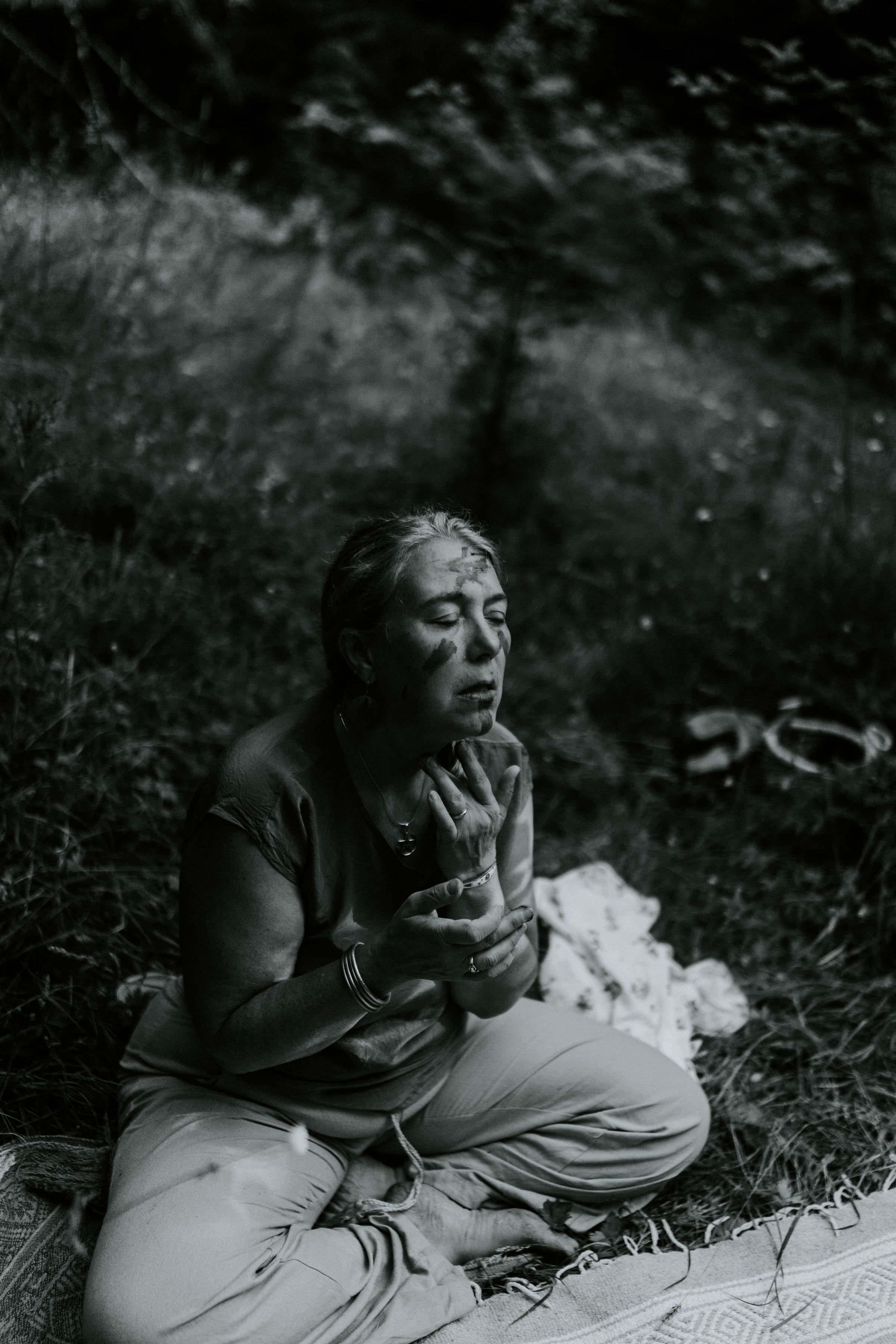
THE SORROW MAY REMAIN, BUT NO LONGER CONSUMES EVERY PART OF LIFE.
Capacity grows.
Relationships deepen.
Creativity returns.
Joy becomes possible—not because grief has disappeared, but because it has found its rightful place within the larger story of your life.
This work is not about moving on.
It is about remaining deeply alive while carrying what you have loved and lost.
What Becomes Possible When Sorrow Is Well Tended.

O T H E R S U P P O R T S

PRIVATE GRIEF TENDING
For grief that asks for individualized care, companionship, and deeper support.
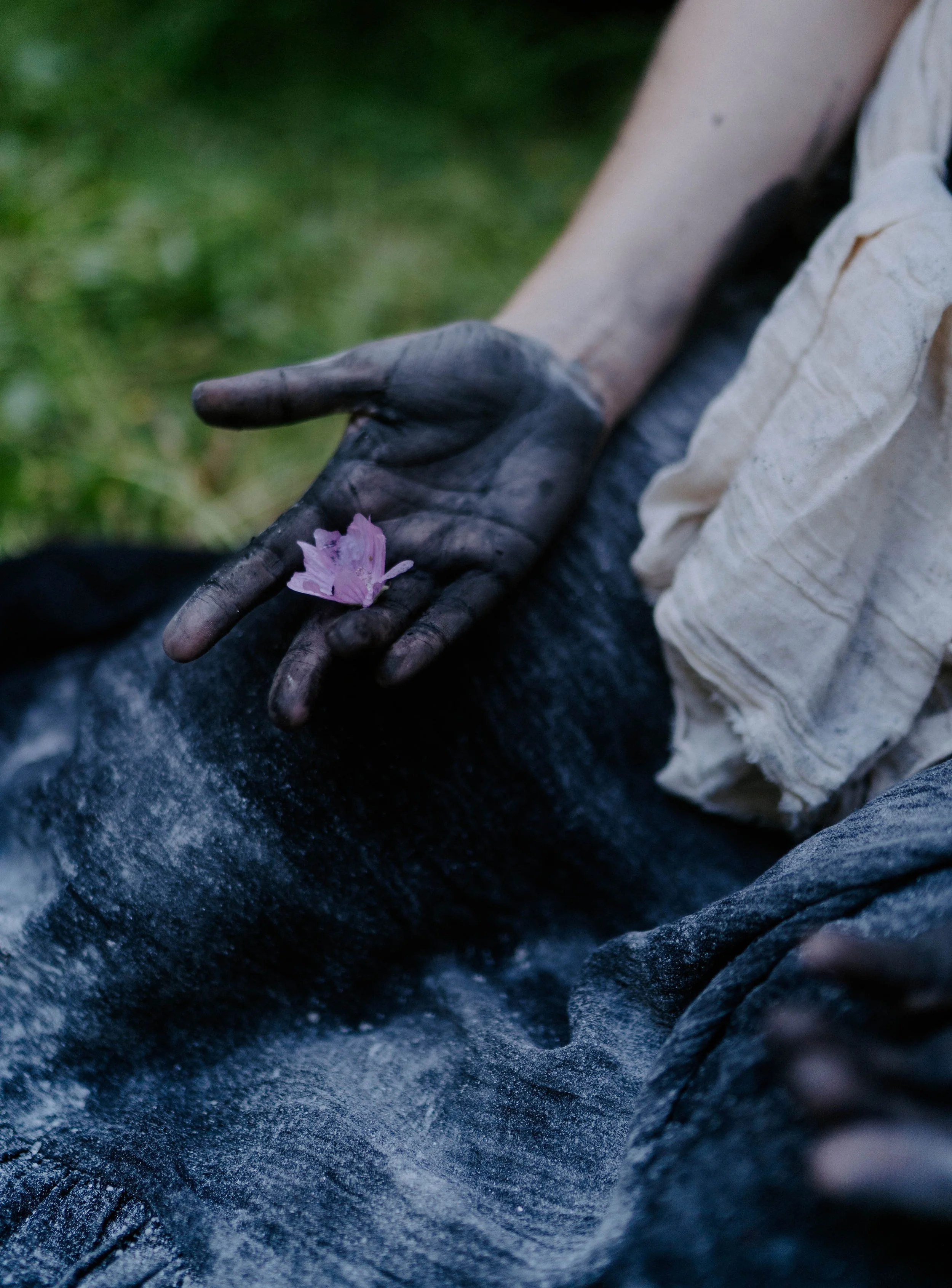
SANCTUARY FOR SORROW
Online Monthly Ceremonial Community Grief-Tending Circle for Women

RETREATS
In-person Immersive ceremonial spaces where grief is witnessed in community.